
Industrial Style
THE BEAUTY OF WHAT'S LEFT EXPOSED
Concrete, metal, timber and visible structure become part of the design rather than something to hide. The result is a space with an honest, architectural character—raw in its materials, considered in its execution.
When the Structure becomes the Story
There is something compelling about materials that don’t try to hide what they are. Concrete shows its texture, steel reveals its strength, timber carries its grain, and brick keeps the marks of its making. Instead of covering these qualities up, Industrial design lets them become part of the visual language of the space.
But raw does not have to mean rough or uncomfortable. The right balance of warm wood, considered lighting, comfortable upholstery and refined detailing can soften harder materials without taking away their character. The result is a space that feels architectural and grounded, yet surprisingly inviting—where the structure is visible, the function is clear and nothing feels unnecessarily disguised.
The Story
Industrial design grew from places built for making rather than decorating—factories, workshops, warehouses and other utilitarian spaces where structure and function were never meant to be hidden. As old industrial buildings found new lives as homes, studios, restaurants and workspaces, their concrete surfaces, steel frameworks, exposed services and open volumes became part of their appeal.
What was once considered ordinary or unfinished—concrete, brick, steel and timber—gradually became something worth celebrating. Today, Industrial design carries that same honesty into contemporary spaces, pairing raw materials and visible structure with thoughtful furniture, warm lighting and comfortable details. The result isn’t a factory made to look like a home; it’s a home that has nothing to hide.
STYLE DNA
Signature Elements
Industrial design finds beauty in the parts of a building that are usually hidden. Structure becomes visible, materials are allowed to age honestly, and practical details earn their place as part of the aesthetic. The result feels architectural, tactile and grounded rather than simply unfinished.
That material honesty comes through in:
- Exposed brick, concrete and structural surfaces
- Steel and iron with visible craftsmanship
- Warm timber that balances harder materials
- Functional furniture with confident, uncomplicated forms
- Exposed beams, ducts and architectural details
- Practical shelving with a built-in feel
- Statement lighting inspired by workshops and factories
- A material-led palette that lets texture do the talking
A Study in Structure, Material & Function
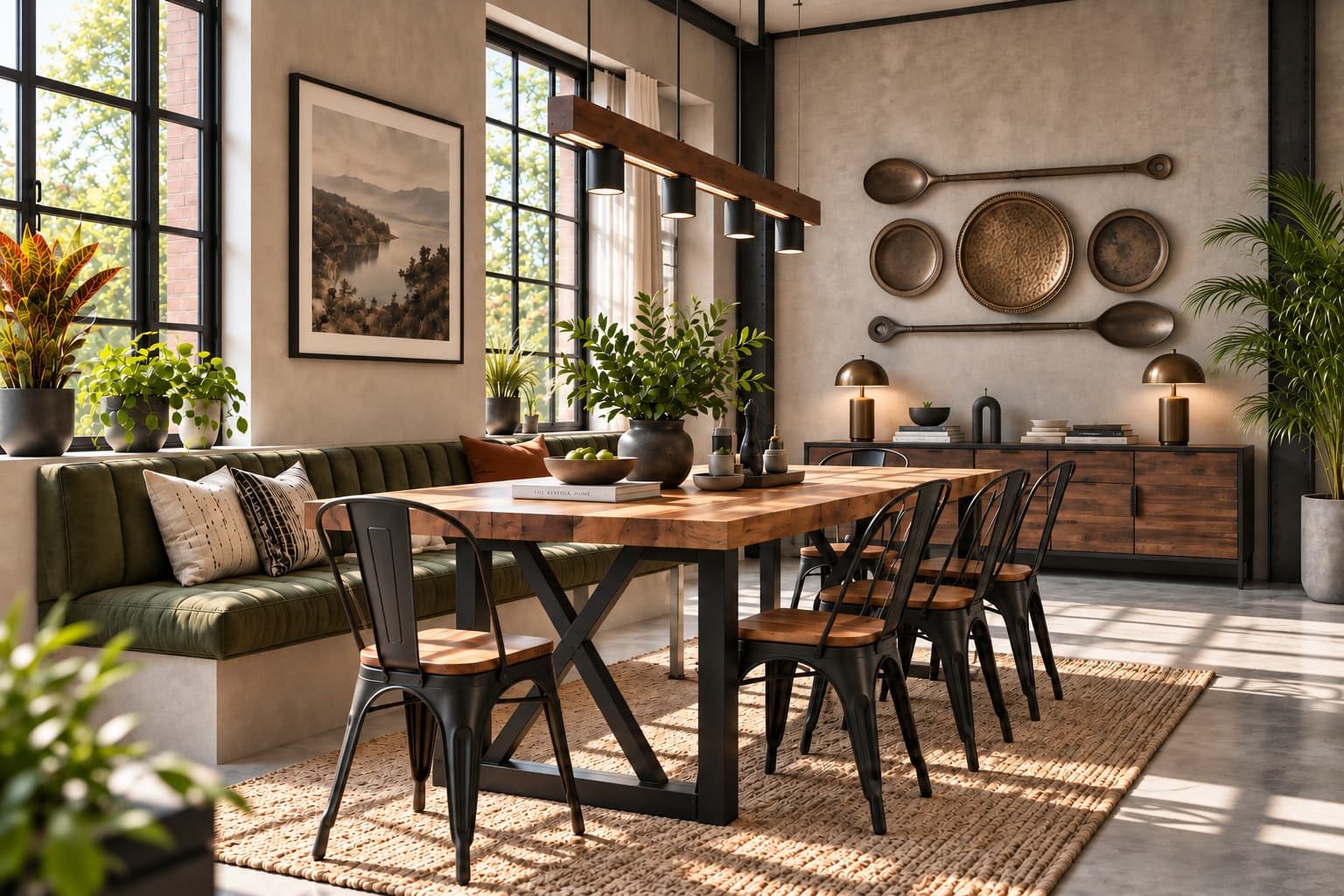
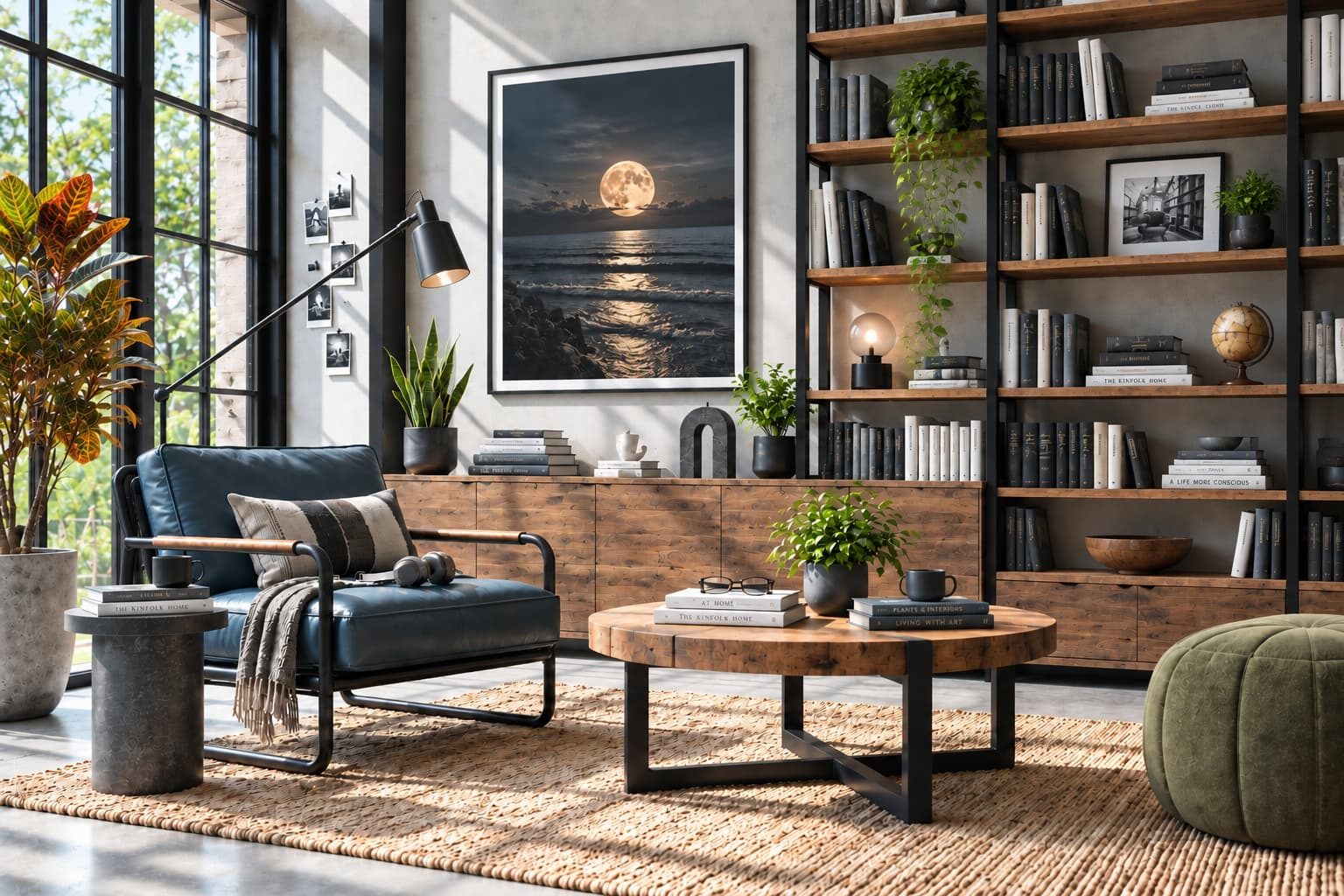
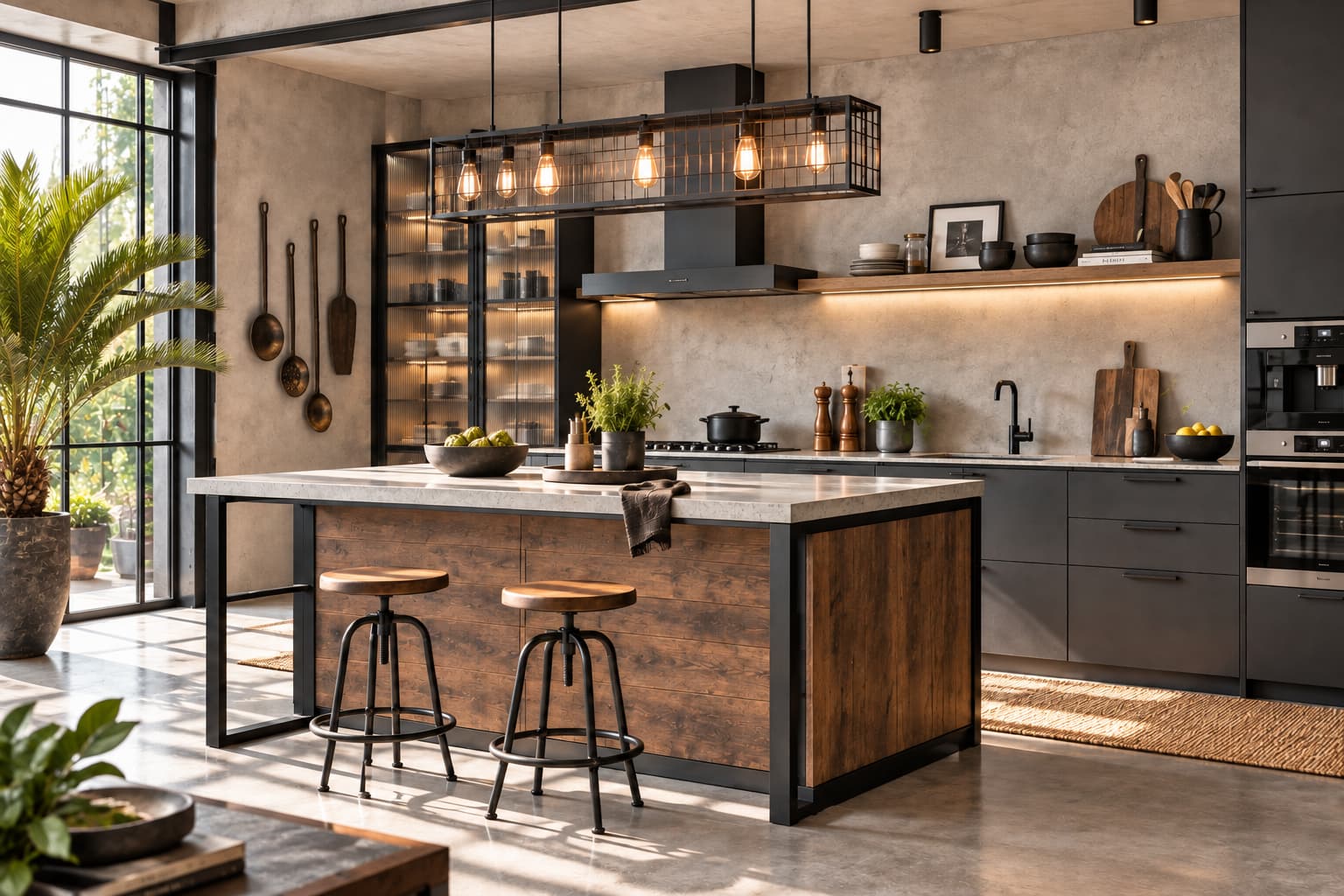
A visual exploration of exposed architecture, raw materials, functional forms and tactile textures—where the elements that build a space become part of its character.
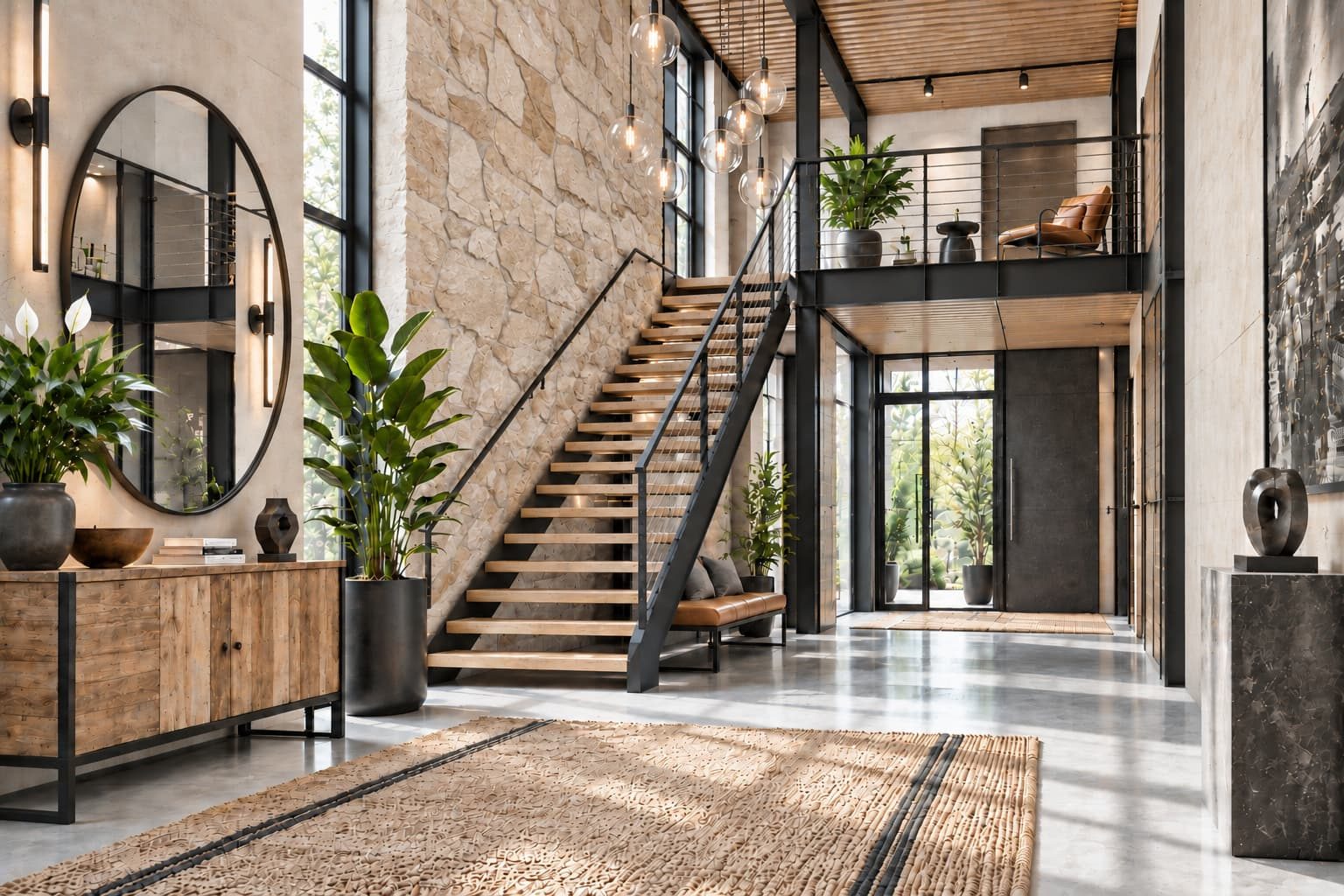
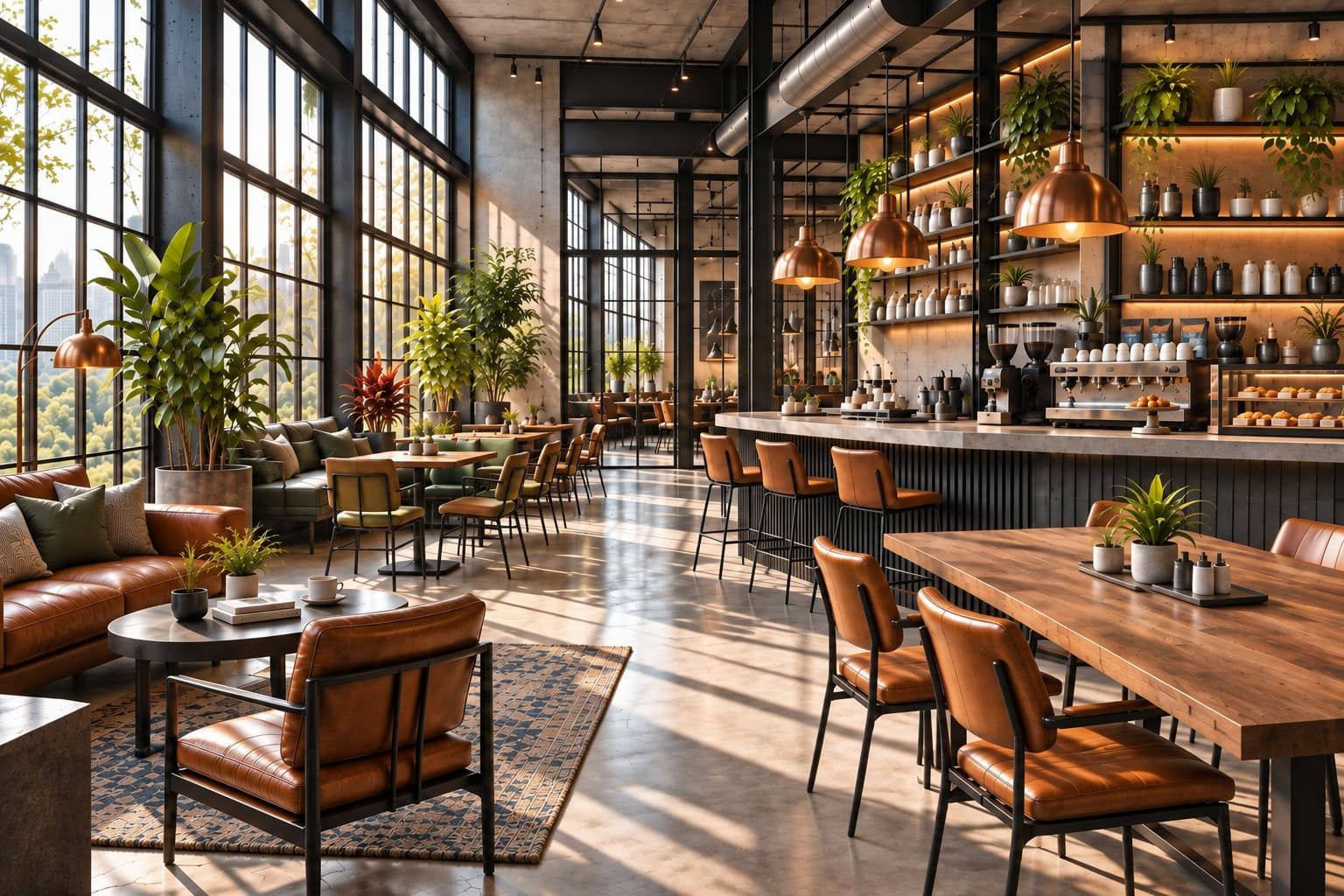
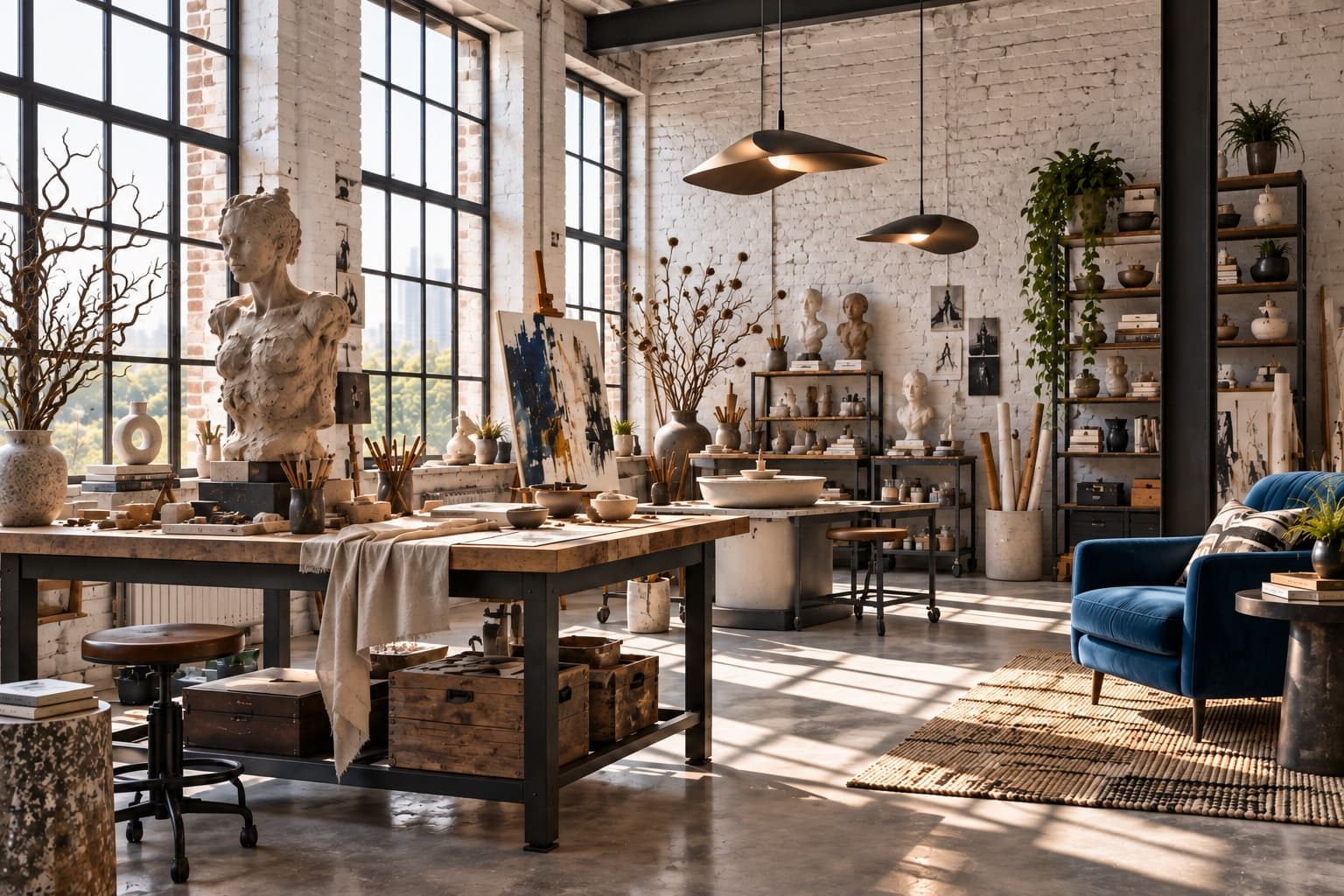
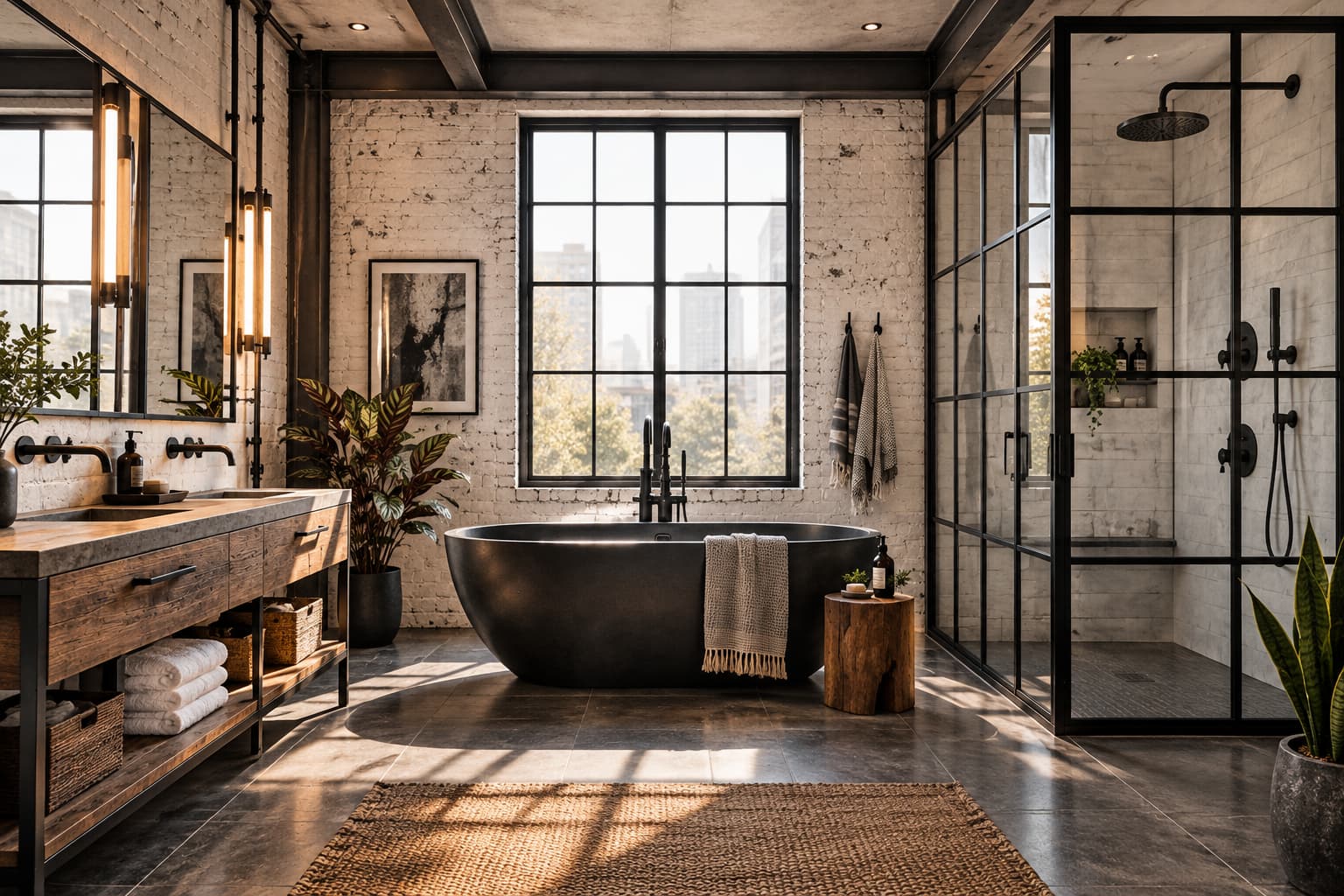
Editor's Note
Did You Know?
Some of Industrial design’s most recognisable features were never designed to be beautiful.
Factory windows were made large to bring natural light deep into working spaces, while exposed brick, beams and building services often reflected practical construction rather than decoration. Decades later, those same functional decisions became part of the aesthetic we deliberately recreate in interiors today.
OUR PERSPECTIVE
When Raw Becomes Refined
Industrial design is often mistaken for a celebration of roughness. We see it differently. The real character comes from understanding what deserves to remain exposed—and then balancing those harder elements with warmth, comfort and considered detail. A steel frame can feel architectural; a worn surface can add depth; a simple piece of timber can soften an entire composition.
For us at DesignReify, the goal is never to make a home look like a factory. It is to let the architecture, materials and function speak honestly while giving the space enough comfort and refinement to feel lived in. When raw materials are used with intention, they stop feeling unfinished and start feeling unmistakably designed.
Core Design Focus
- Structure With a Purpose
- Raw Materials, Thoughtfully Balanced
- Function That Shapes the Aesthetic
- Warmth Against Harder Elements
CREATIVE DIRECTION
Expert Tips
- Let the architecture lead before adding decoration.
- Pair hard materials with something warm and tactile.
- Keep exposed elements intentional, not merely visible.
- Use lighting to soften concrete, metal and brick.
- Choose furniture for function as much as form.
- Let imperfections add character without making the space feel unfinished.
DESIGN PITFALLS
Common Mistakes
Industrial design can lose its character when rawness becomes the objective rather than the result of good design. The aim is to reveal what is interesting about a space without making everything feel hard, cold or deliberately unfinished.
- Treating darkness as a requirement for an Industrial interior.
- Letting oversized architectural elements dominate the room.
- Recreating a factory aesthetic instead of responding to the actual space.
- Adding distressed finishes where genuine material character would be stronger.
- Mistaking visual toughness for a lack of comfort.
CURATED SPACES
Character, Built In
Some spaces have character before anything is added to them. The grain of timber, the texture of brick, the weight of steel and the marks left by construction can give a room a sense of identity all on their own. The art lies in knowing what to reveal, what to soften and what to leave untouched.
Related Posts
No posts were found for provided query parameters.