
Japandi Style
The Art of Intentional Calm
Natural textures, purposeful forms and room to breathe come together in spaces that feel quietly balanced — where simplicity brings warmth, and every detail has a reason to be there.
A Quieter Kind of Beauty
Japandi has a way of making a room feel complete without filling it with things. Each piece feels considered, its presence balanced by what surrounds it. The result is an interior that feels pared back without sacrificing comfort.
What makes the style compelling is the character that emerges through subtle differences — a clean silhouette against an irregular edge, a smooth surface beside a tactile one, a carefully composed room that still feels lived in. Nothing needs to dominate; the interest lies in the details you notice when you take a closer look.
The Story
Japandi brings together two design traditions shaped by different landscapes and ways of living. In Japan, interiors have long reflected an awareness of space, an appreciation for natural materials and an acceptance of imperfection. In Scandinavia, long winters and limited daylight helped shape homes around practical furniture, light and everyday comfort.
Despite their different origins, the two traditions share a thoughtful relationship with the spaces people inhabit. Japanese interiors often find beauty in asymmetry, simplicity and the passage of time, while Scandinavian design brings warmth and functionality into daily life. Over time, these complementary qualities have found a natural meeting point, each offering something the other approaches differently.
Today, their influence can be seen in interiors that bring together the quiet character of Japanese aesthetics and the welcoming ease of Scandinavian living. The appeal lies in how these qualities enrich one another, creating spaces that feel both grounded and comfortable, with a character that unfolds through the way they are lived in.
STYLE DNA
Signature Elements
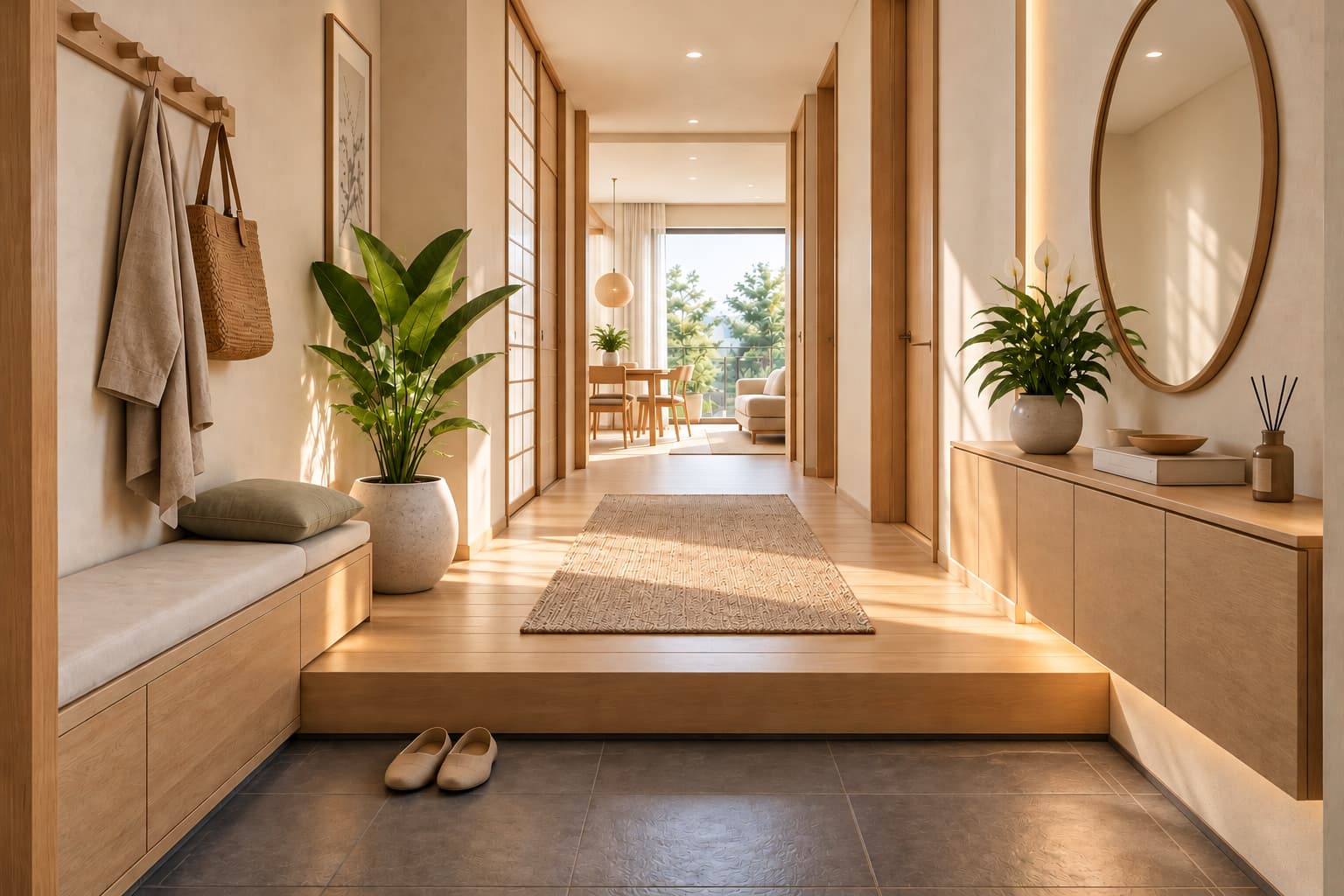
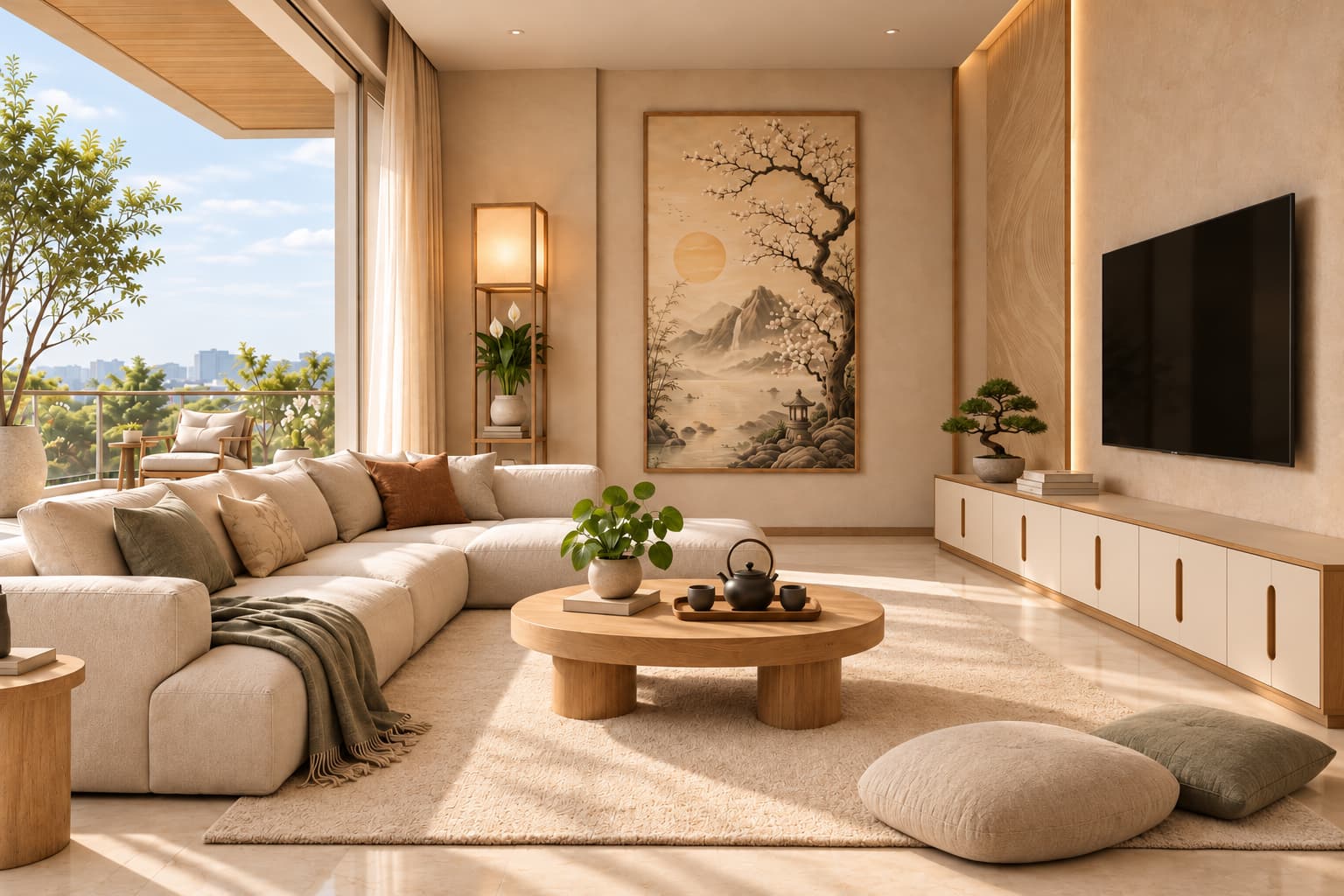
Japandi’s visual language is understated but far from uniform. Architectural lines, tactile finishes, low-profile furnishings and carefully chosen accents create a look that feels both composed and inviting.
Its character can come through in details such as:
- Natural timber with visible grain and understated finishes
- Muted neutrals layered with warm, earthy tones
- Linen, cotton, wool and other tactile natural textiles
- Low-profile furniture with clean, sculptural forms
- Handmade ceramics with subtle irregularities and tactile finishes
- Integrated storage that keeps the overall composition uncluttered
- Soft, diffused lighting that brings warmth to natural materials
- Open space that gives each piece room to be appreciated
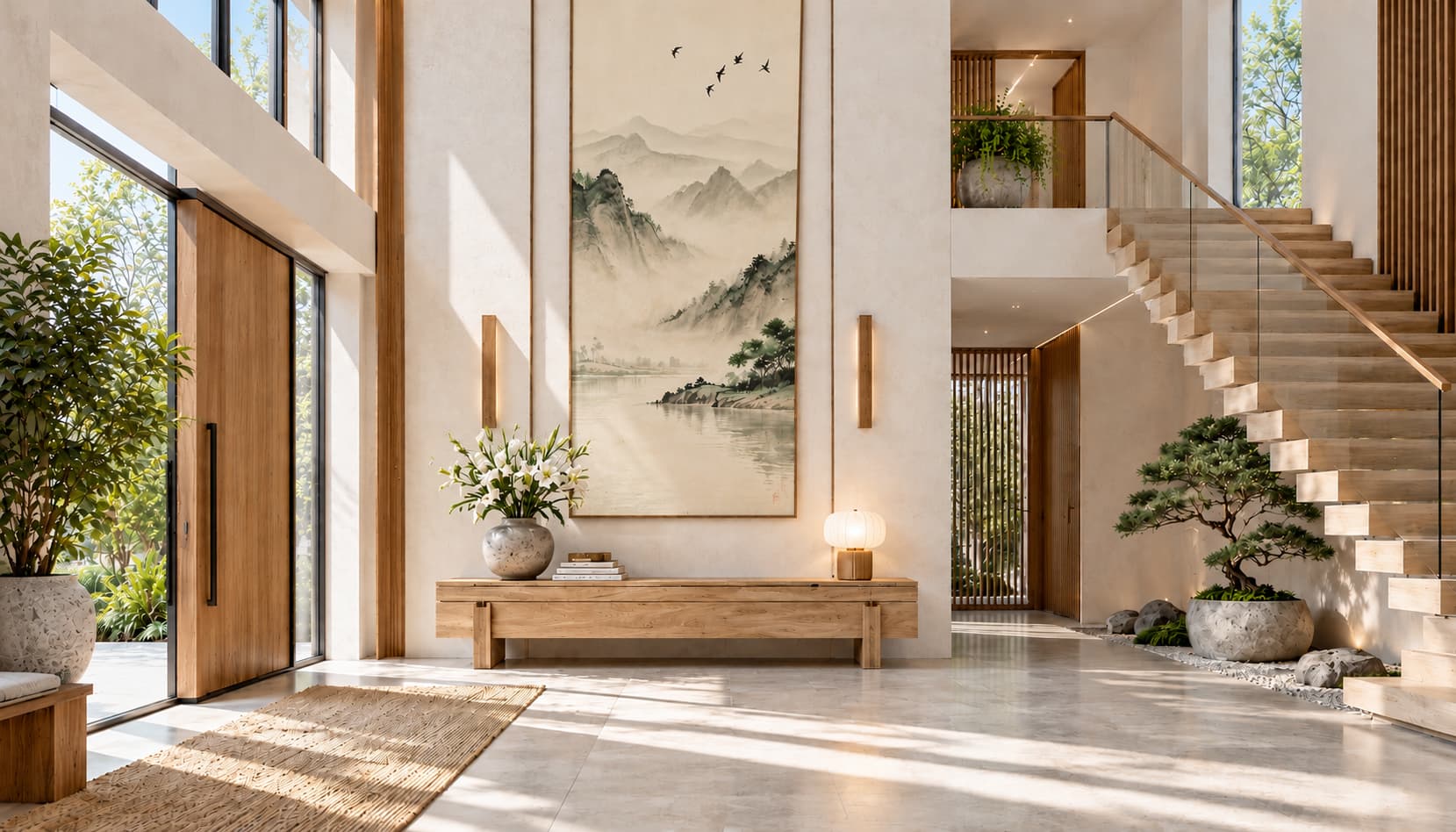
A Study in Craft & Restraint
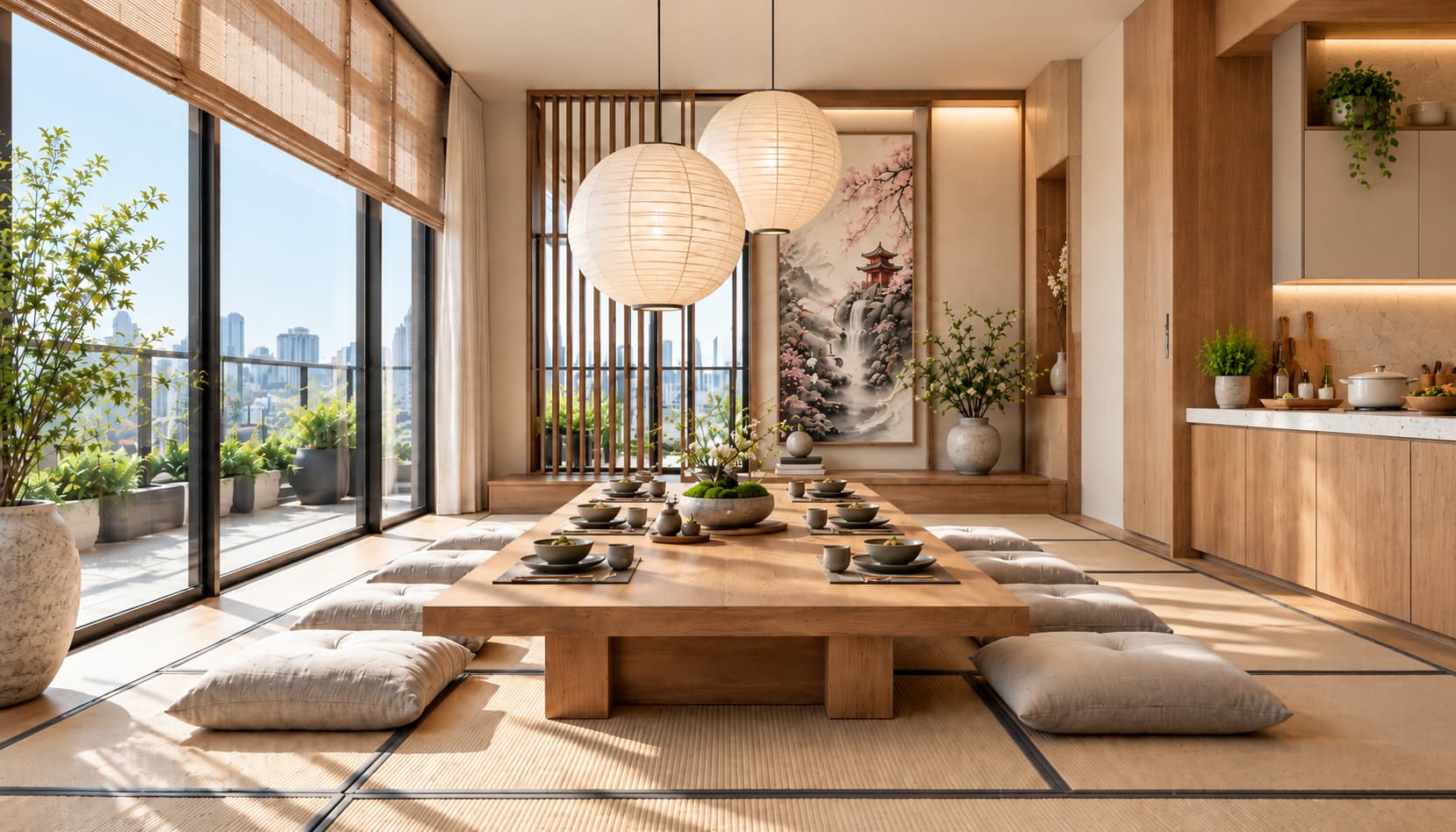
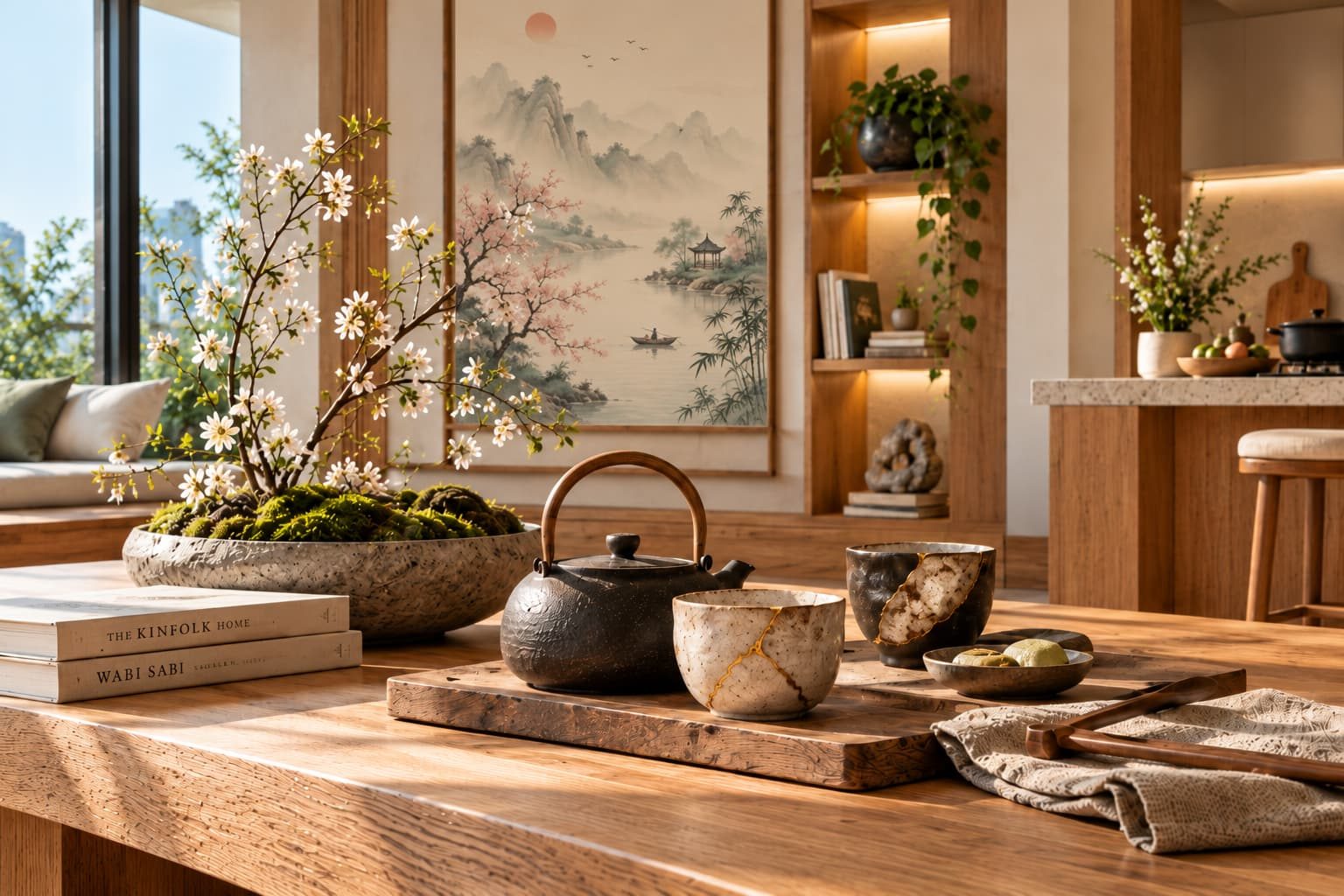
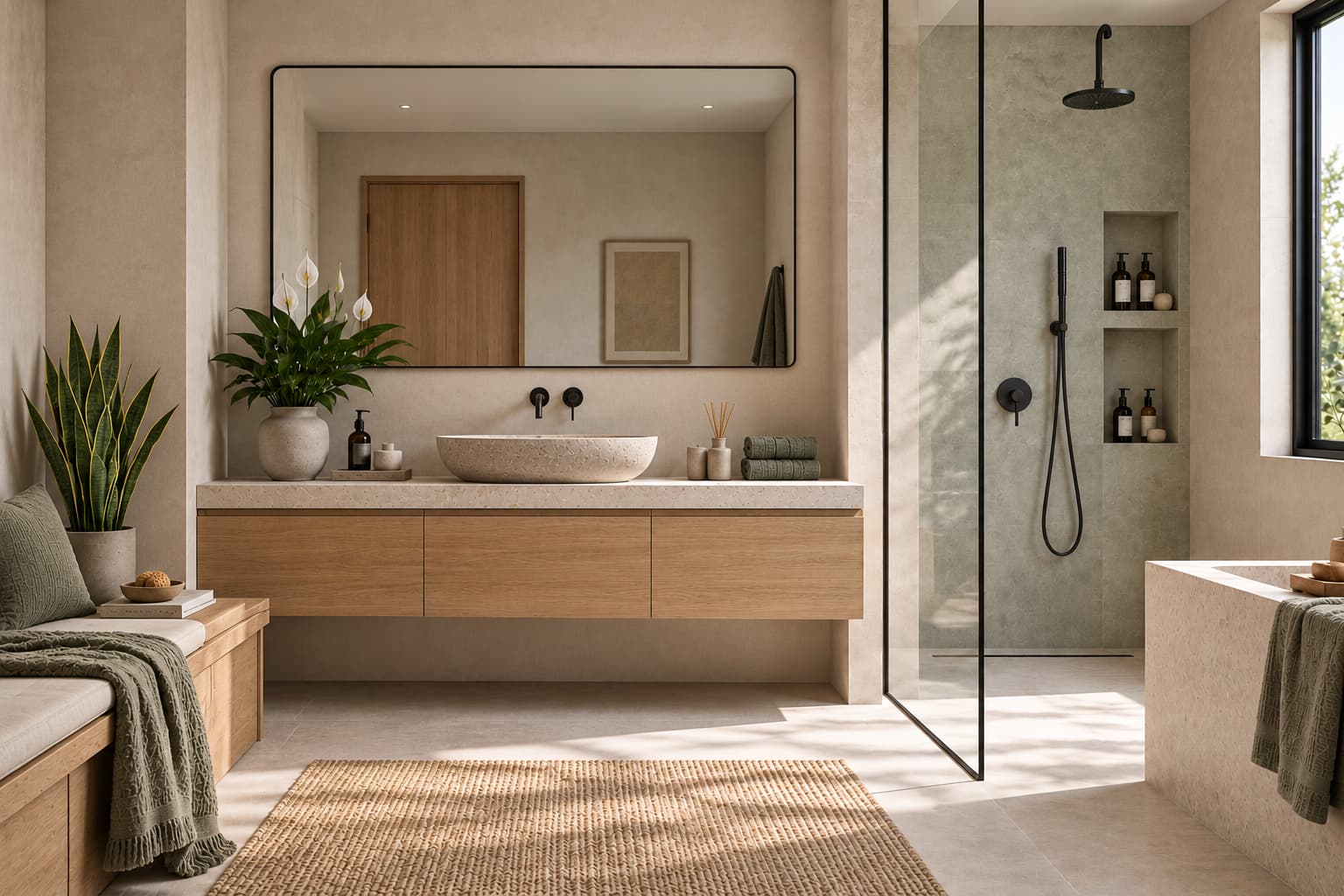
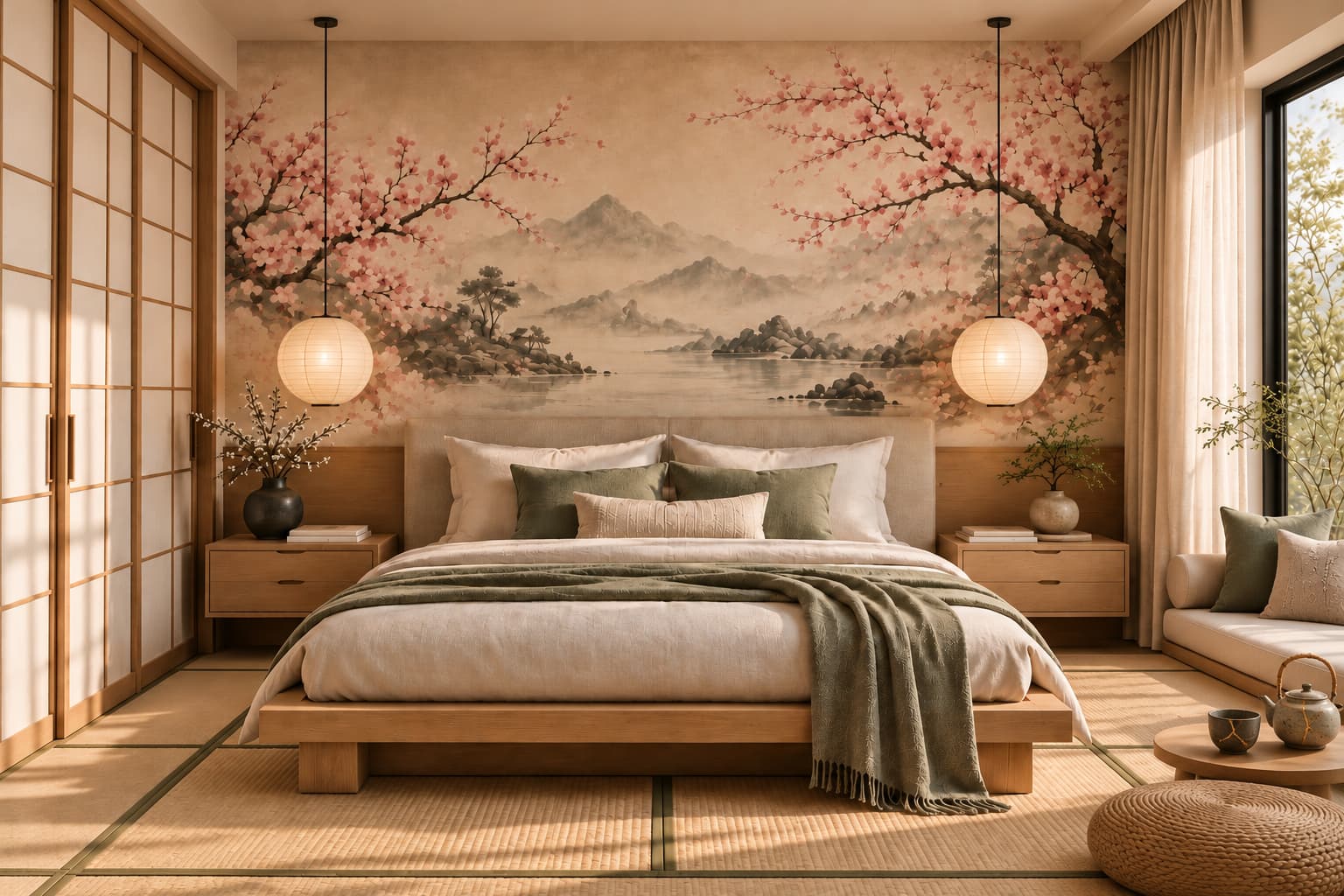
A visual exploration of Japanese craftsmanship, organic forms and the beauty of imperfection — softened by Scandinavian warmth and an understated sense of comfort.
Editor's Note
Did You Know?
Kintsugi, a centuries-old Japanese craft, gives broken pottery a second life with seams of gold. Rather than hiding the cracks, it makes them part of the object’s beauty and history. This sensibility echoes Japandi’s Japanese influence, where imperfection can be valued rather than concealed.
OUR PERSPECTIVE
The Beauty of Knowing What to Leave Unsaid
Japandi is not about stripping a room back until almost nothing remains. It is about recognising what gives a space its character, and knowing when an element needs nothing more around it. A handcrafted object, a natural finish or a thoughtfully chosen piece of furniture can bring warmth and personality without making the room feel crowded.
At Design Reify, we bring Japanese aesthetics and Scandinavian comfort together to create spaces that feel composed without feeling sparse, and personal without feeling overly styled. Every element has a place, allowing craftsmanship, natural materials and everyday comfort to shape the character of the room.
Core Design Focus
- The Beauty of Natural Imperfection
- Craftsmanship That Speaks Quietly
- Japanese Simplicity, Scandinavian Comfort
- A Sense of Space and Stillness
CREATIVE DIRECTION
Expert Tips
- Choose furniture with clean silhouettes and balanced proportions.
- Repeat a few finishes to create a visual connection across the room.
- Introduce handmade objects and let their subtle irregularities show.
- Soften clean architectural lines with gentle curves and organic shapes.
- Layer similar tones to create depth without strong colour contrasts.
- Leave space around key furniture so each piece can stand out.
DESIGN PITFALLS
Common Mistakes
Japandi can lose its character when its defining qualities are taken too far or misunderstood. The aim is to create a home that feels composed and comfortable, not sparse, formulaic or overly styled.
- Stripping a room back until it feels bare or impersonal.
- Focusing only on Japanese aesthetics and overlooking Scandinavian comfort.
- Using a uniform palette that leaves the space feeling flat.
- Overfilling the room with décor to make it feel more authentic.
- Using artificial finishes to imitate the natural imperfections of handmade pieces.
CURATED SPACES
Less to Distract. More to Discover.
A space doesn’t have to be filled to feel complete. When the essentials are enough, there’s less to distract you and more room to simply be. At Design Reify, we bring Japanese aesthetics and Scandinavian comfort together to create homes that leave space for what matters.
Related Posts
No posts were found for provided query parameters.