
Traditional Indian Style
The Art of Living Heritage
A rich tapestry of regional traditions, enduring craftsmanship and meaningful materials — where India’s diverse cultural heritage continues to shape spaces with character, depth and a sense of belonging.
Culture, Shaped Over Generations.
Traditional Indian design draws its character from generations of knowledge, shaped by the places people inhabit, the materials around them and the skills passed from one maker to the next. The forms, patterns and techniques that emerge from these traditions carry traces of the lives and communities that shaped them.
This diversity is what makes the style so compelling. A courtyard designed around the rhythms of family life, a handwoven textile with a distinct regional identity or a piece of furniture shaped by generations of craftsmanship can each tell a different story. These traditions are not interchangeable, nor do they belong only to the past. Their character lies in how they continue to find meaning in the spaces we create and inhabit today.
The Story
A Land Of many Traditions
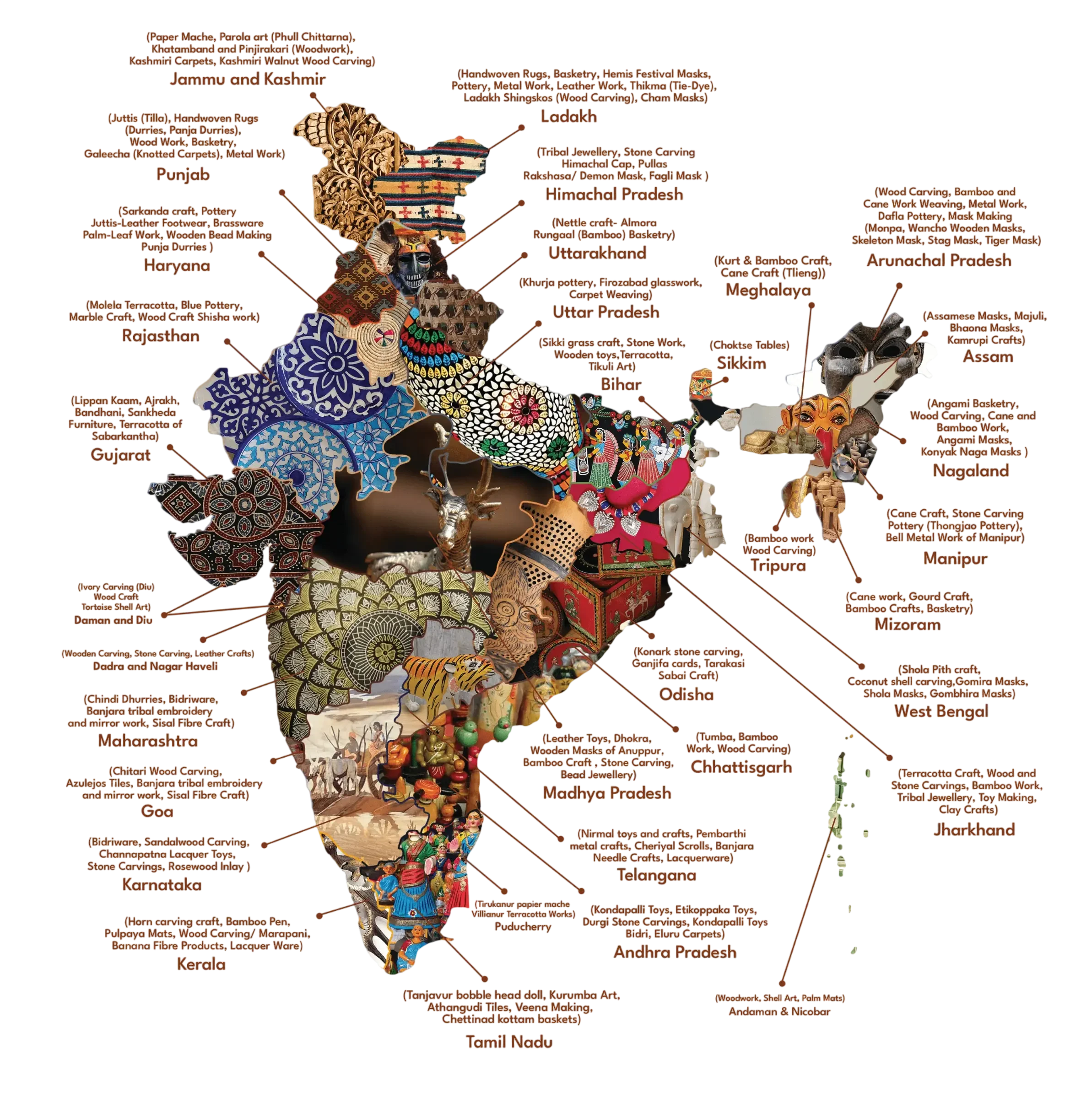
India is a land of many landscapes, languages and ways of life, and its design heritage reflects that extraordinary diversity. From the snow-clad valleys of Kashmir to the sun-washed deserts of Kutch, from the riverine plains of Bengal to the lush greenery of Kerala, every region has developed its own architectural forms, materials, crafts and artistic expressions. There is no single “Traditional Indian style”, but a rich collection of regional traditions shaped by climate, culture, history and the people who live there.
Crafts That Tell Stories
Look a little closer, and the variety becomes remarkable. In Kashmir, artisans are known for intricate walnut wood carving. Rajasthan brings us Sanganeri block prints, while Kutch is celebrated for Ajrakh textiles. Punjab’s Phulkari embroidery transforms fabric with vibrant, hand-stitched patterns; Bengal’s Kantha brings layers of cloth together through rows of running stitches. In Bihar, Madhubani painting carries stories through distinctive lines and imagery, while Assam’s silk and bamboo traditions reflect the materials and skills of the region.
Across India, woodworkers, weavers, embroiderers, metalworkers, potters and painters carry forward different kinds of knowledge. Some traditions are recognised by their colours and patterns; others reveal their character through the techniques, materials or stories behind them. Each offers a glimpse into the skill and imagination of the communities that practise it.
Spaces Shaped By Place
India’s traditional homes are just as varied as its crafts. In Kerala, the open courtyard of a nalukettu brings light, air and family life together. The circular, earth-built bhungas of Kutch respond to a hot, arid climate, while stilt-house traditions in parts of Assam reflect life in a landscape shaped by rivers and heavy rainfall. In Tamil Nadu, the grand mansions of Chettinad are known for their spacious verandahs and intricate detailing.
These spaces reflect generations of understanding about how people live and what their surroundings demand. The materials, proportions and arrangement of a building can tell us as much about a region as its decorative arts.
A Heritage Too Vast For One Room
With so much to discover, where does one even begin? You might be drawn to the warmth of carved timber, the intricate beauty of a handwoven textile, the boldness of a regional print or the expressive character of traditional painting. You might recognise something familiar from your own childhood, remember a home you once visited, or discover a craft from a part of India you have yet to explore.
The temptation may be to bring a little of everything into one space. But Traditional Indian design isn’t about collecting a representative object from every region or recreating a palace in miniature. Sometimes, one beautifully crafted piece can give a room its character; a textile can inspire its palette, or a familiar architectural detail can become the starting point for an entire design.
A Living Legacy
Traditions have never stood still. Crafts evolve, artisans experiment and familiar materials find new uses. Madhubani painting, once closely associated with decorated walls and floors, is also practised on paper and canvas today. Traditional textiles and craft techniques can find a place in today’s homes without requiring the entire space to follow a historical style.
Perhaps that is the most wonderful thing about Traditional Indian design: there is no single version you must follow. You can draw inspiration from your own roots, a place you have visited, a piece of family history or a craft you have only just discovered. You don’t have to bring all of India into one room. You only have to discover which parts speak to you—and find thoughtful ways to let them live on.
STYLE DNA
Signature Elements
Traditional Indian design can take many forms, from intricately carved furniture and expressive textiles to painted surfaces, metalwork and distinctive architectural details. Some interiors draw on vibrant colour and pattern; others find their character in natural materials and carefully chosen pieces.
Its character can come through in details such as:
- Intricately carved wooden furniture, doors and architectural details
- Regional textiles featuring distinctive weaves, prints and embroidery
- Folk paintings and decorative art rooted in regional traditions
- Brass, copper and other metals shaped into functional and ceremonial objects
- Natural materials such as timber, stone, clay and cane
- Rich colour palettes, from earthy pigments to vibrant jewel tones
- Traditional furniture forms, from carved chests to low seating
- Decorative motifs inspired by nature, mythology and cultural symbolism
A Study in Craft & Culture
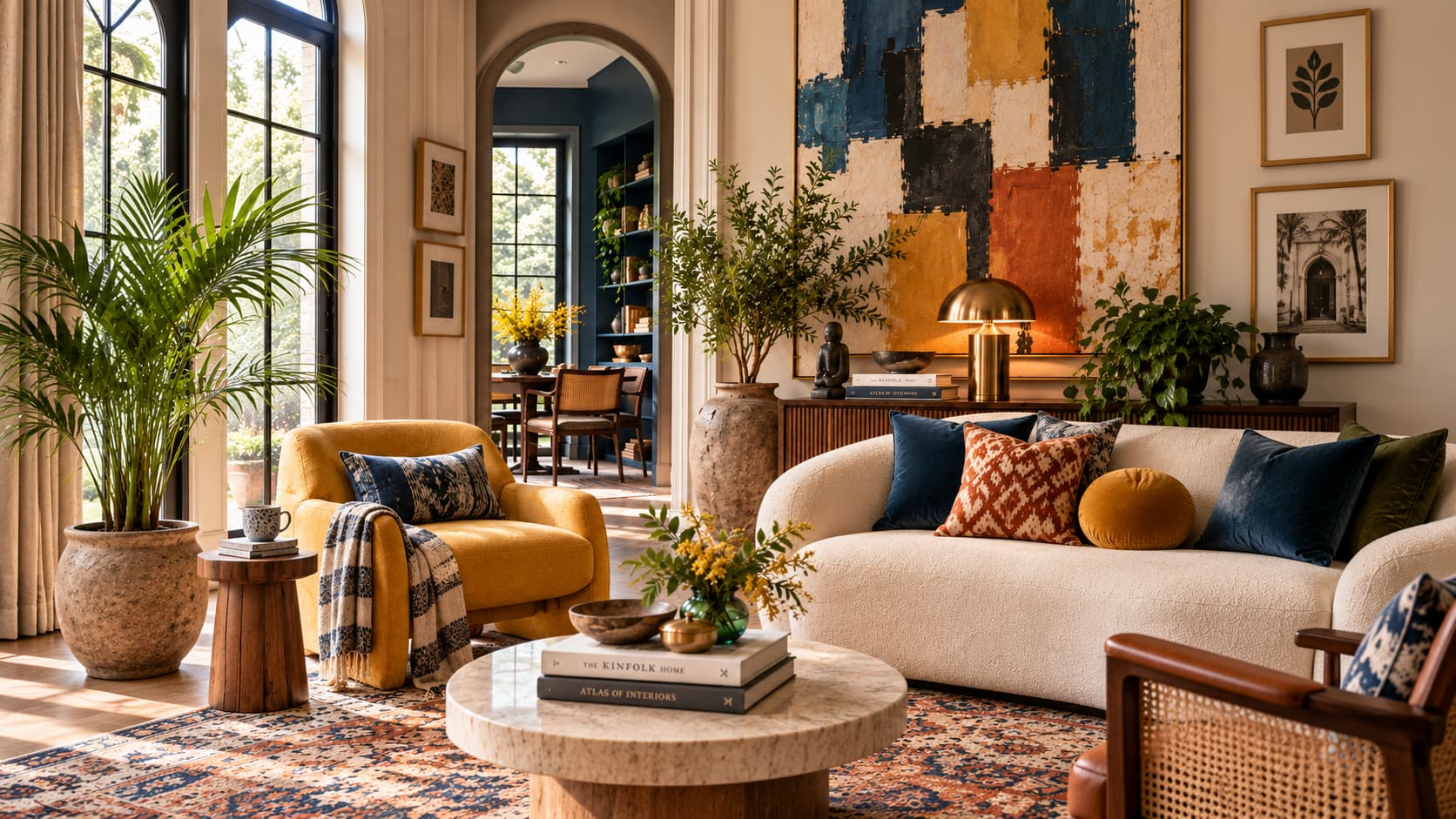
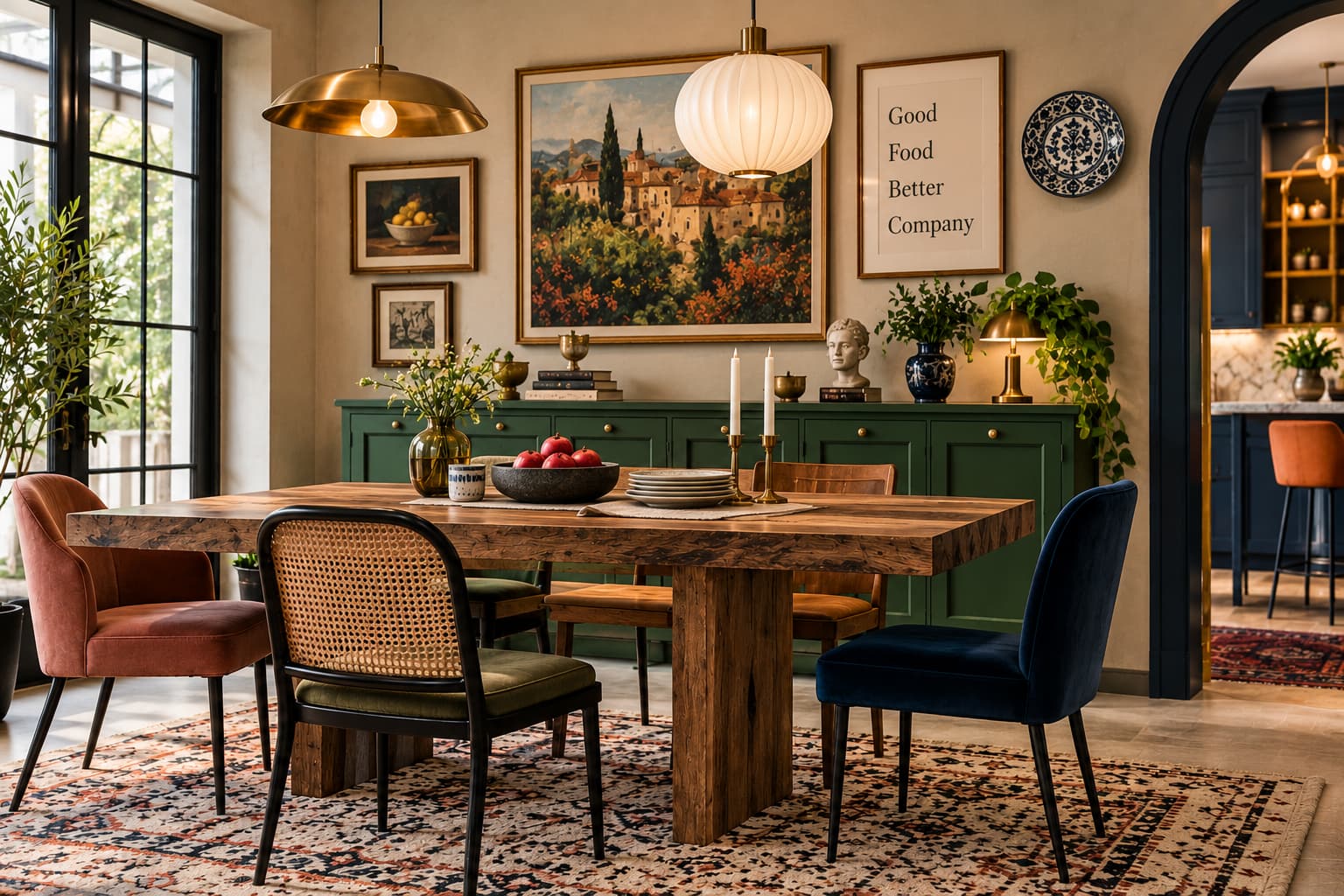
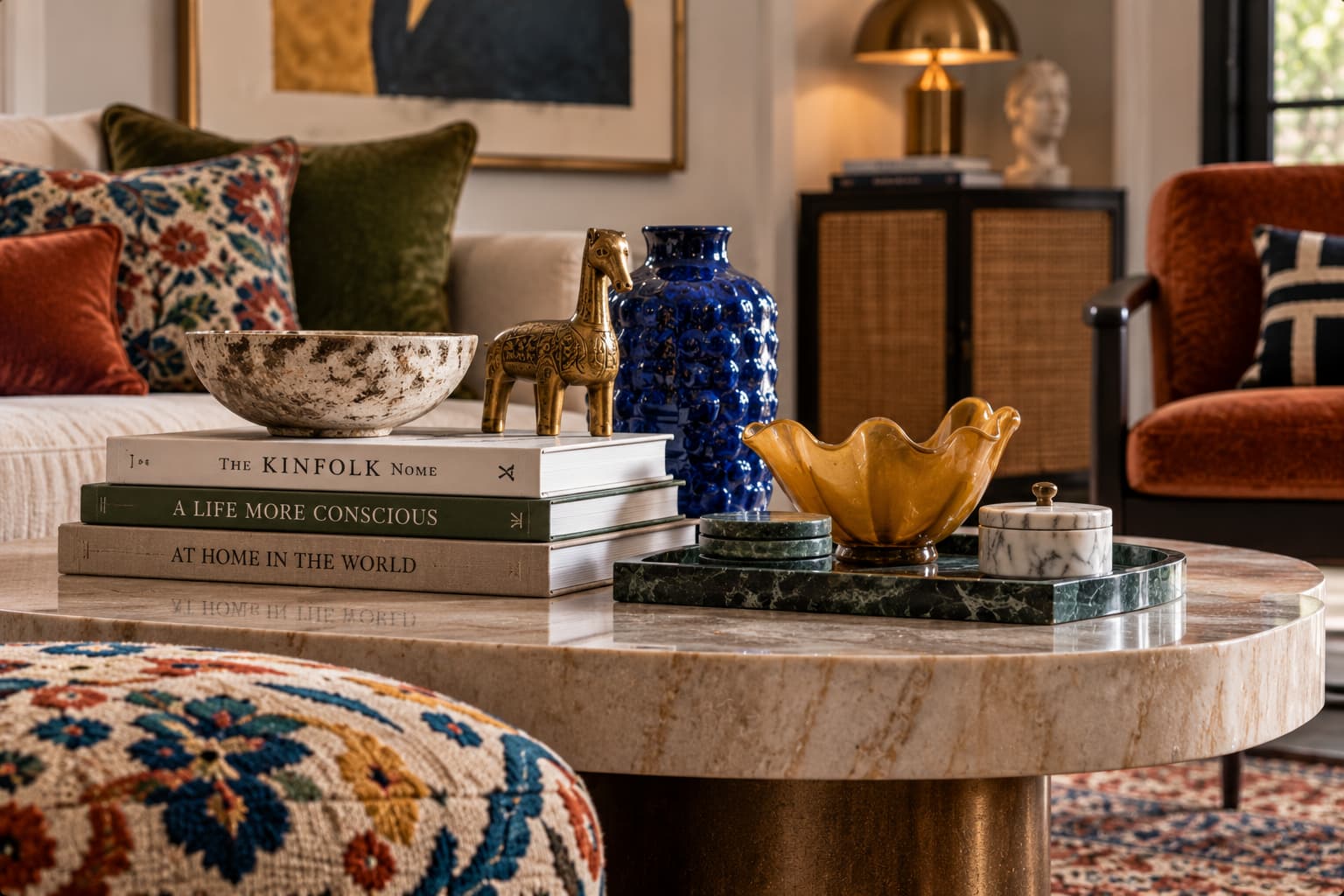
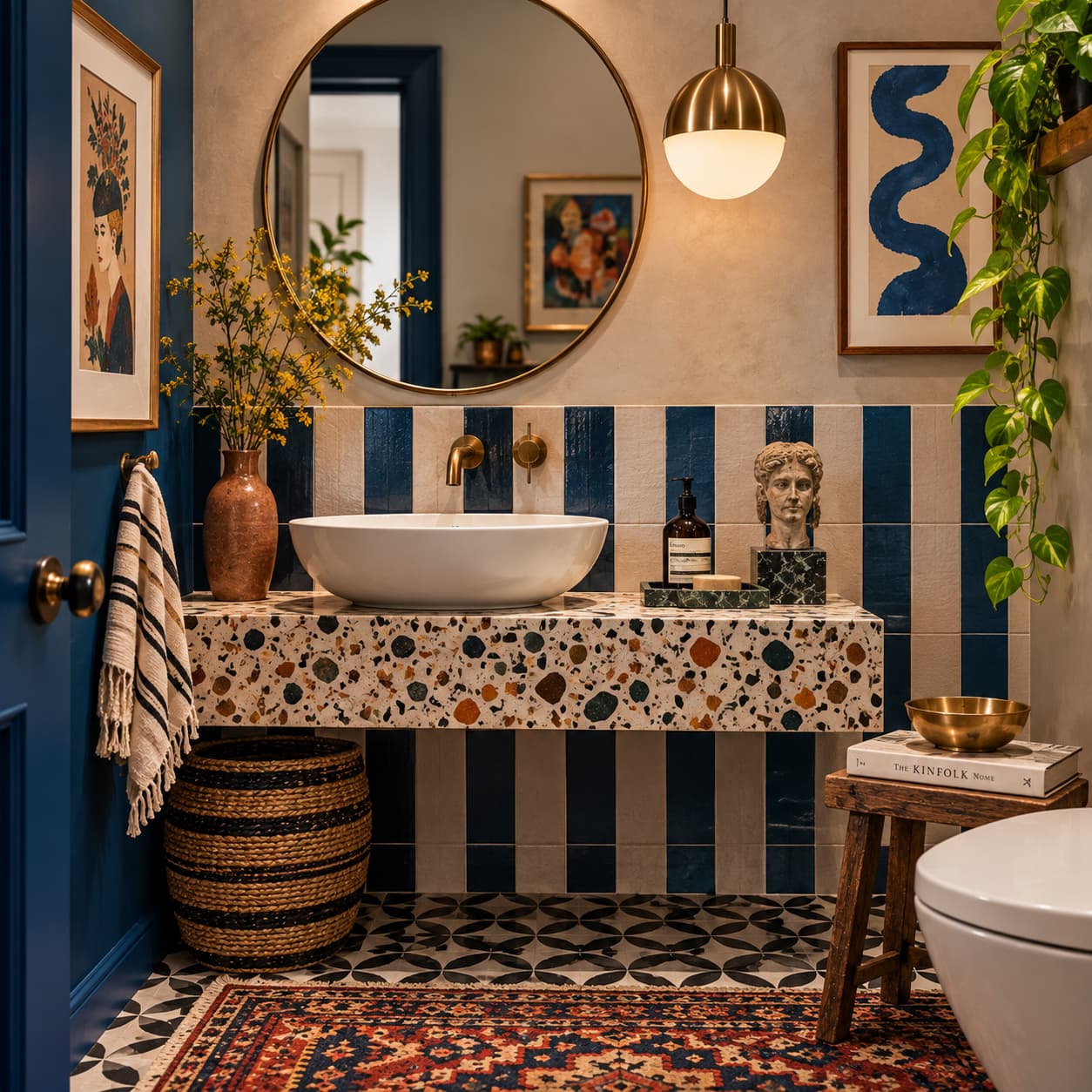
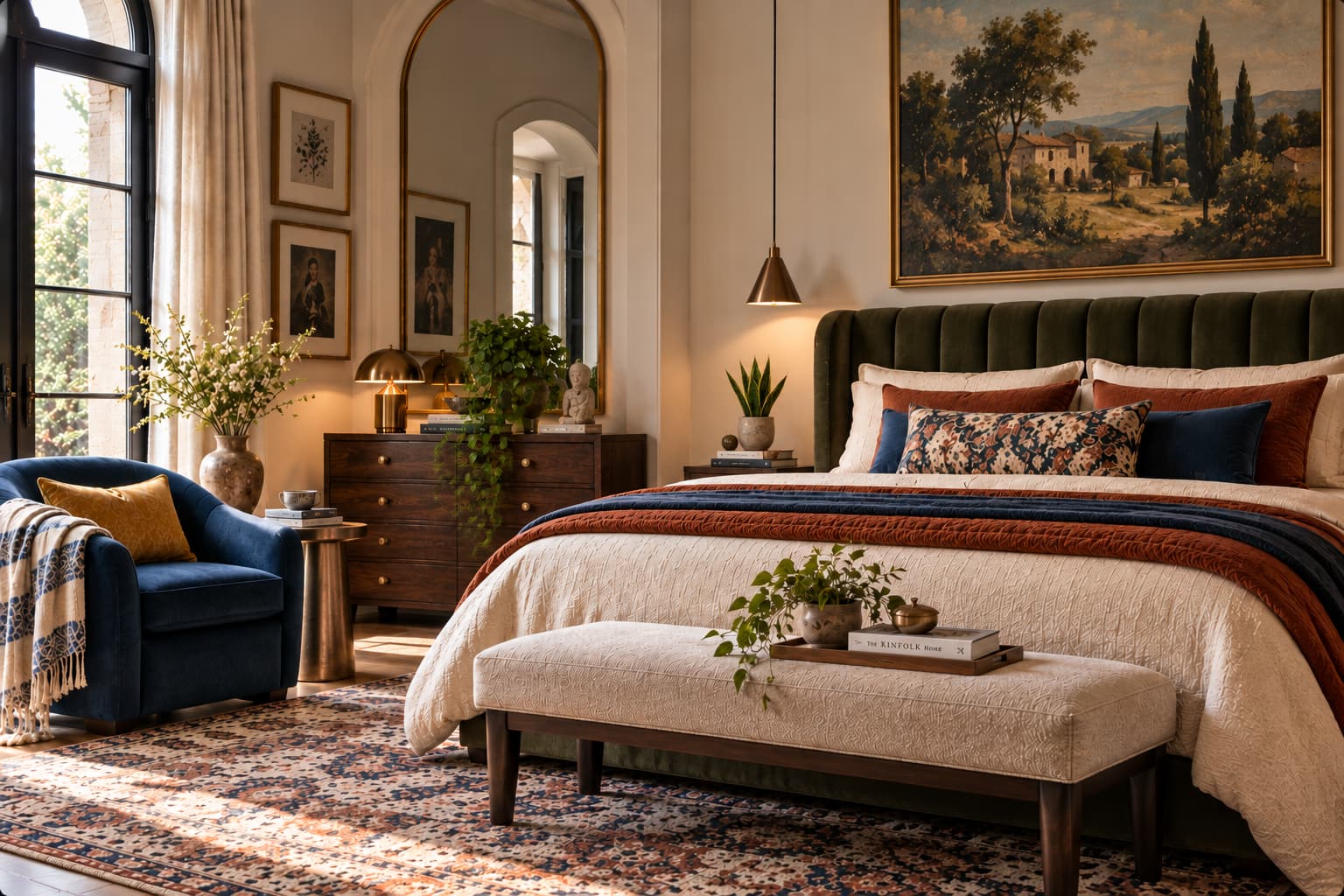
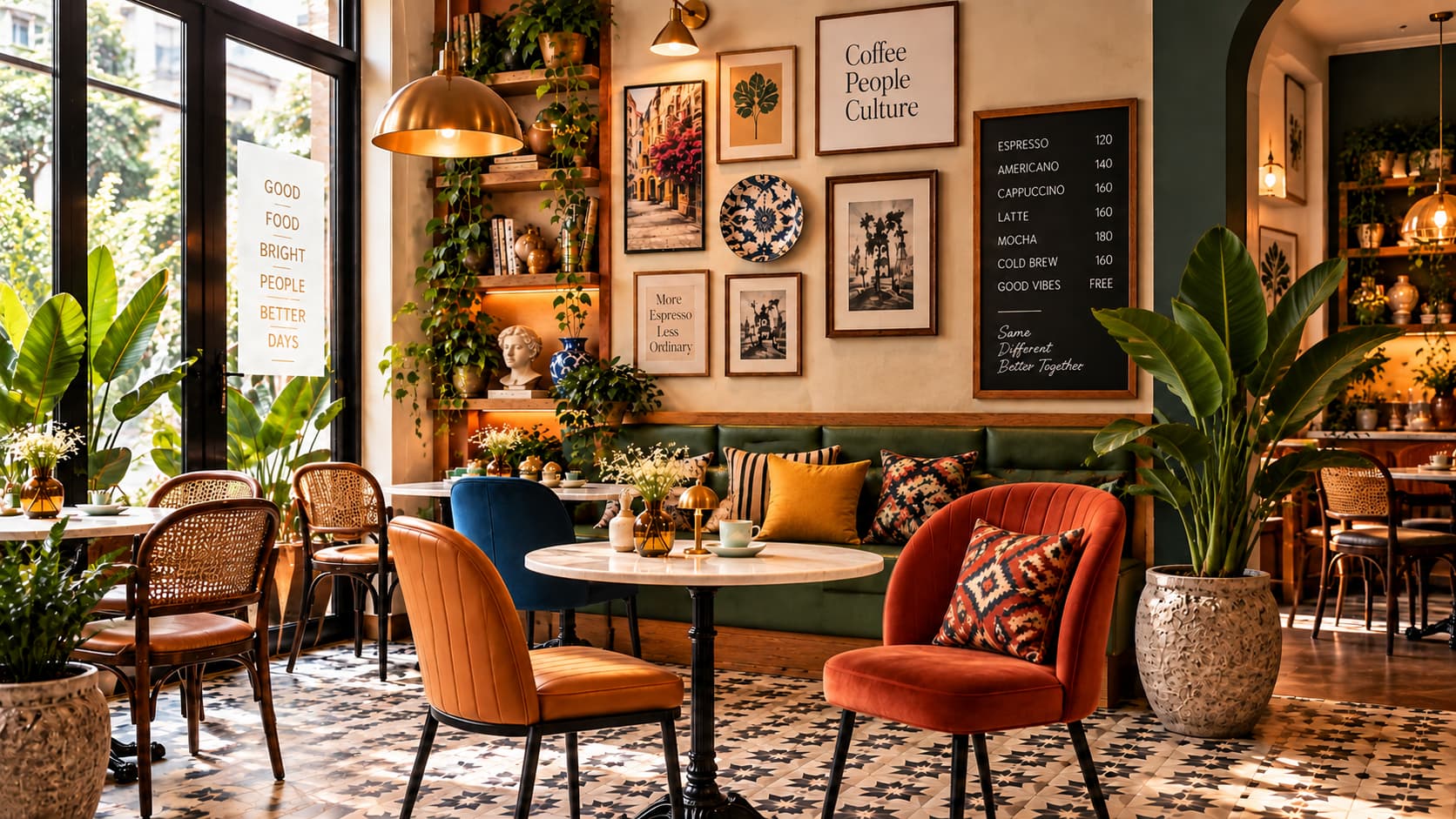
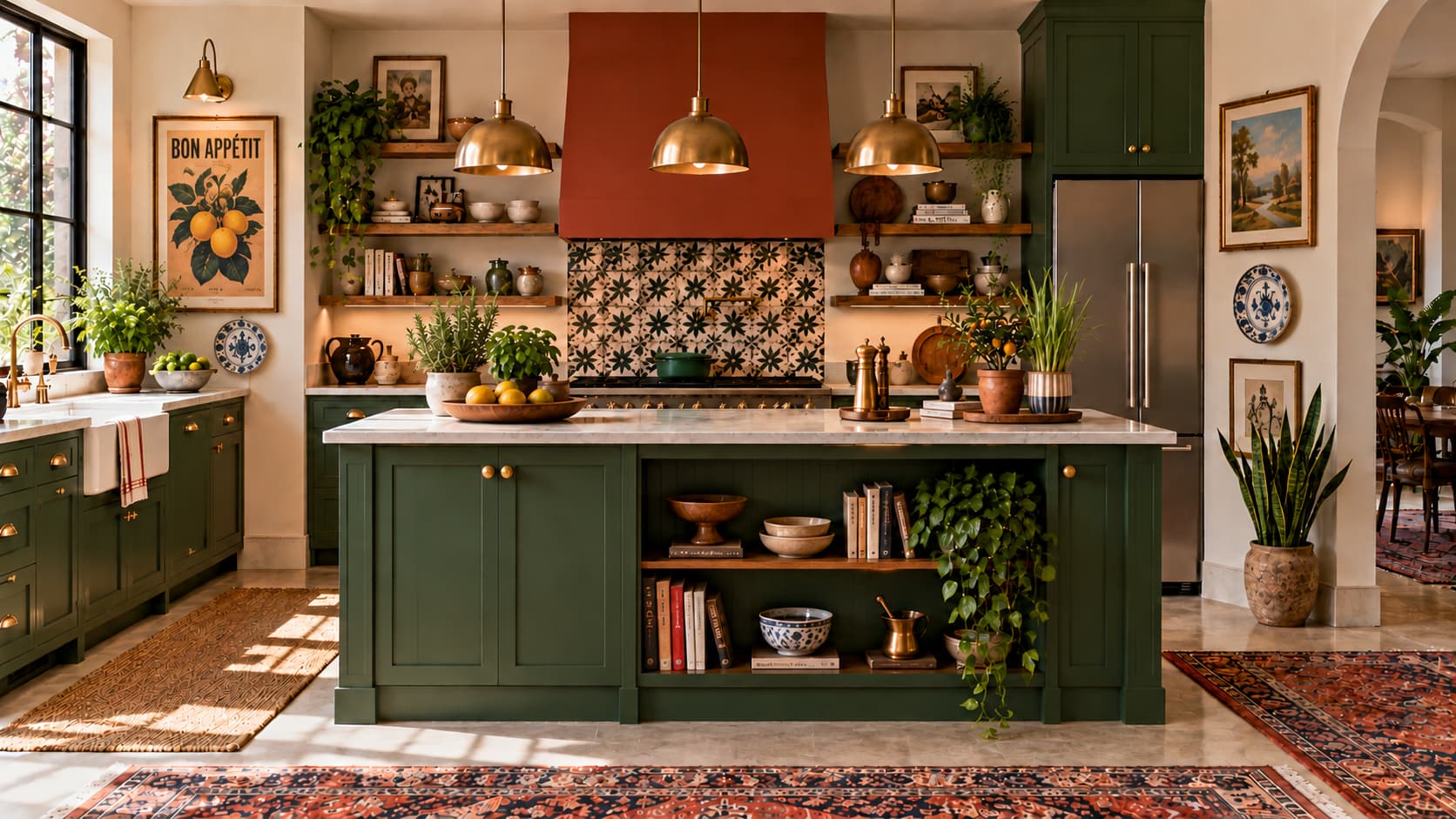
A visual journey through regional craftsmanship, expressive textiles and distinctive architectural forms — revealing the many ways India’s cultural identity finds expression in design.
Editor's Note
Did You Know?
India has around 455 formally classified craft categories, spanning everything from wood carving, stonework and metal crafts to weaving, embroidery, block printing and pottery. Each category represents a distinct tradition of working with materials, patterns and techniques—revealing just how much lies within India’s craft heritage.
OUR PERSPECTIVE
Heritage, Interpreted With Intention
Traditional Indian design offers a richness that goes beyond colour and ornament. Its real strength lies in the balance between intricate details and thoughtful restraint, allowing each element to contribute to the overall composition. What matters is not how many traditional elements a room contains, but how thoughtfully they come together.
At Design Reify, we believe heritage deserves more than a decorative place in the home. We look at the craftsmanship, character and cultural context behind each element, then consider how it can work comfortably with the needs of daily life. The result is not a recreation of the past, but a space that carries something meaningful forward.
Core Design Focus
- Craftsmanship That Gives a Space Character
- Regional Identity With Personal Meaning
- Traditional Materials, Thoughtfully Reimagined
- Cultural Richness, Thoughtfully Composed
CREATIVE DIRECTION
Expert Tips
- Let one distinctive craft or material guide the room's character.
- Choose textiles for their weave, pattern and regional identity.
- Give intricately carved or detailed pieces room to stand out.
- Balance richly patterned surfaces with quieter surroundings.
- Use lighting to bring out the texture of wood, metal and textiles.
- Adapt traditional furniture to suit the way you live.
DESIGN PITFALLS
Common Mistakes
Traditional Indian design can lose its depth when its visual elements are used without understanding what makes them meaningful. The aim is not to recreate a familiar image of an Indian home, but to bring its materials, craftsmanship and character together with care.
- Treating Indian design as one uniform style across all regions.
- Filling every surface with ornate patterns, carvings and decorative objects.
- Mixing regional motifs without considering their distinct character.
- Choosing traditional pieces for their appearance while overlooking comfort and function.
- Using heritage-inspired décor as a substitute for genuine material character and craftsmanship.
CURATED SPACES
Rooted In Tradition, Living In The Now
Tradition doesn’t have to belong to another time. The beauty of a familiar craft, a treasured heirloom or a detail that reminds you of home can sit just as naturally in the life you live today. At Design Reify, we bring these connections into spaces that feel personal, meaningful and entirely at home in the present.
Related Posts
No posts were found for provided query parameters.